Bridge Courses: Helping Students Transition Smoothly into a New Academic Year
- School Leaders/Teaching
- June 20, 2026
- Sarada Damaraju
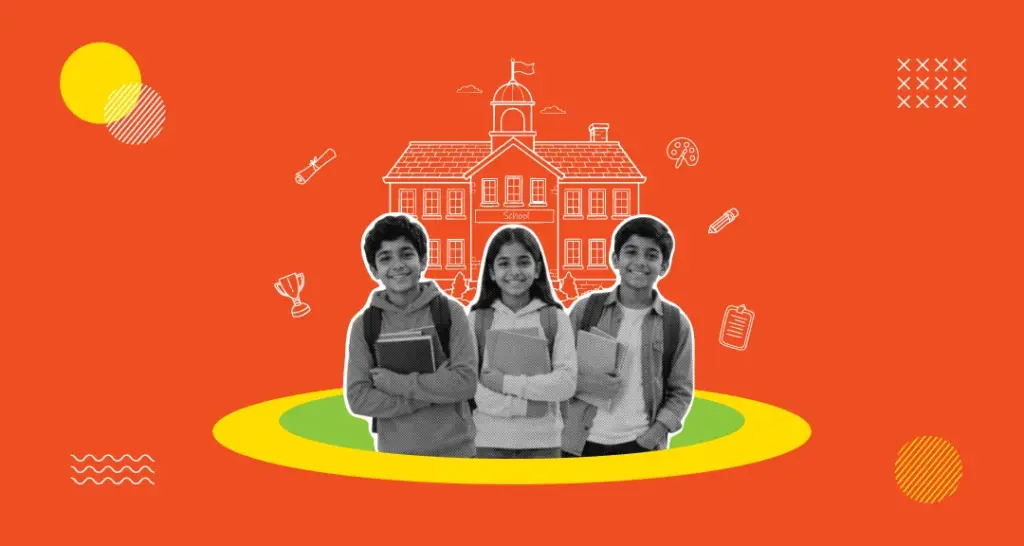
It is that time of the year again when schools are buzzing with excitement. Teachers are busy creating colourful “Welcome Back” banners, decorating classrooms, and planning engaging first-day activities. The opening day of a new academic session is usually filled with fun, laughter, and enthusiasm.
However, as the academic session progresses, academic expectations increase and both teachers and students may experience pressure. Teachers often observe learning gaps resulting from extended vacations, school transfers, inconsistent learning experiences, or the growing complexity of grade-level concepts. Students may also find it challenging to re-engage with subjects after a prolonged break from structured learning.
Learning is most effective when students connect prior knowledge to new concepts. Bridge courses serve a critical function in facilitating this connection.
What Are Bridge Courses?
A bridge course is a short-term academic programme, usually conducted over one or two weeks, designed to help students:
- Revise foundational concepts
- Identify and address learning gaps
- Build confidence before beginning the regular curriculum
- Prepare for grade-level competencies
- Ease the transition between classes
Bridge courses are designed to avoid overburdening students. Instead, they emphasise simplified learning, revision, and activity-based teaching methods to foster comfort and confidence.
Research consistently indicates that many students face challenges with age-appropriate reading and arithmetic skills. Bridge programmes provide schools with an opportunity to deliver targeted academic support before advancing through the regular syllabus.
What Makes a Bridge Course Effective?
Effective bridge programmes utilise learner-centred approaches instead of traditional lecture-based instruction. Common strategies include:
- Assessments: Teachers identify learning gaps through simple assessments, classroom interactions, and observations. For example, quick quizzes, oral questioning, short written exercises, and interactive activities, such as exit slips or mini-presentations, can help identify specific areas needing reinforcement. These practical assessment ideas help teachers understand students’ current learning levels efficiently and in an approachable way.
- Activity-Based Learning: Games, projects, experiments, and hands-on activities make learning engaging and less intimidating.
- Peer Learning: Collaborative group work encourages students to learn from one another and build confidence together.
- Multilingual Support: Using local languages alongside English helps students understand concepts more clearly and participate actively.
- Continuous Assessment: Regular worksheets, oral interactions, and informal evaluations help teachers monitor progress and provide timely support.
Subject-Wise Bridge Course Ideas
1. Mathematics: Rebuilding Foundational Skills
Mathematics is one subject where learning gaps tend to accumulate quickly. A weak understanding of basic concepts often makes advanced topics difficult later.
A mathematics bridge course may begin with:
- Number recognition
- Multiplication tables
- Basic operations
- Fractions using visual aids
- Everyday word problems
Mathematics instruction can be enhanced through activities such as:
- Using beads, sticks, ganit mala and number cards for counting
- Shopping-based activities to explain profit and loss
- Cricket scorecards to teach averages
- Clay modelling to demonstrate fractions and angles
These activities help students rebuild confidence and prepare for more advanced topics such as algebra and geometry.
2. English: Building Communication and Comprehension
For many students, English presents challenges as a second language. Difficulties with comprehension and written expression can hinder classroom participation.
An English bridge programme may focus on:
- Role plays for everyday communication
- Picture reading
- Storytelling sessions
- Vocabulary games
- Reading aloud activities
These activities support students in developing classroom communication skills and improving comprehension and language confidence.
3. Science: Learning Through Observation and Experience
Science education emphasises conceptual understanding over rote memorisation. Many students, however, memorise definitions without grasping their practical relevance.
A science bridge course can revisit concepts such as:
- States of matter
- Plant parts
- Human body systems
- Simple machines
- Measurement and observation
- Teachers can further strengthen understanding through practical activities like:
- Growing plants in cups
- Demonstrating evaporation using kitchen utensils
- Using bicycles to explain force and motion
Relating science concepts to familiar experiences, such as farming, cooking, monsoon patterns, and local environments, enhances the relevance and retention of learning.
4. Social Science: Connecting Learning with Real Life
Social Science bridge programmes facilitate student understanding of history, geography, and civic concepts through relatable instructional methods.
Activities may include:
- Reading maps of India
- Understanding local governance systems
- Learning timelines through the freedom struggle events
- Discussing festivals and cultural diversity
Students can also create:
- Village or city maps
- Family history charts
- Mock Gram Sabha discussions
These activities promote critical thinking and connect classroom learning to everyday experiences.
5. Foundational Literacy and Numeracy (FLN): Strengthening Early Learning
For students in Classes 1–3, bridge programmes are particularly important, as foundational skills are critical for future academic achievement.
FLN bridge activities may include:
- Letter recognition
- Reading simple sentences
- Counting objects
- Addition and subtraction through games
- Teaching tools can include:
- Rhymes
- Flash cards
- Storybooks
- Number and letter games
These methods support children in revising existing skills and transitioning effectively to new learning.
Challenges in Implementing Bridge Courses
While bridge courses are highly beneficial, schools often face certain challenges:
- Large classroom sizes
- Limited teaching resources
- Short programme durations
- Increased teacher workload
- Diverse learner levels within the same classroom
- Limited digital access and availability of materials
Effective management of these challenges requires careful planning, administrative support, and collaborative efforts. Teachers can adopt practical classroom strategies to address common obstacles. In large classrooms, flexible grouping can help target instruction by dividing students based on skill level or learning needs, allowing for more focused attention. Peer support systems encourage stronger students to assist classmates, fostering collaboration and relieving some of the teacher’s workload. Additionally, rotating activity stations, using readily available materials for hands-on learning, and establishing simple routines can make the most of limited resources. Sharing resources and exchanging proven ideas with fellow teachers can also increase efficiency and support.
The Role of Parents
Teachers are central to the success of bridge courses, while parental support is also essential. Parents may contribute in various ways, and it is important to ensure all parents can be involved. For parents with limited time or literacy, schools can send home simple notes in local languages or in pictorial formats that explain daily activities and progress. Inviting parents to brief meetings at drop-off or pick-up times, or organising short interactive sessions, can also foster their engagement. These inclusive strategies help all families support their children’s learning in meaningful ways. Parents may contribute by:
- Encouraging regular attendance
- Reading with children at home
- Monitoring homework and revision
- Providing emotional encouragement and motivation
- Collaboration among teachers, parents, and school management significantly enhances student learning outcomes.
Bridge courses have become an essential educational strategy for addressing learning gaps and promoting inclusive education. These programmes assist students in regaining confidence, strengthening foundational skills, and transitioning successfully to grade-level learning.
When designed with activity-based methods, local examples, and subject-specific support, bridge programmes extend beyond remedial instruction. They serve as effective pathways for reconnecting students with meaningful learning, confidence, and academic achievement.
Ultimately, bridge courses not only help students address learning gaps but also enable them to progress with readiness, resilience, and renewed enthusiasm for learning.
Frequently Asked Questions (FAQs)
1. What are summer bridge programs?
Summer bridge programs are short-term academic transition programs designed to help students revise key concepts, address learning gaps, and prepare for a successful new academic year.
2. How do bridge courses help with learning loss after summer break?
Bridge courses revisit foundational concepts and skills, allowing students to recover lost learning, rebuild confidence, and transition smoothly into grade-level instruction.
3. Why are bridge courses important in a school's return to school plan?
Bridge courses help schools identify learning gaps early, improve student engagement after vacations, and ensure students are academically and emotionally prepared for the new session.
4. What are some effective school reopening strategies for academic recovery?
Effective school reopening strategies include diagnostic assessments, activity-based learning, peer learning, continuous assessment, and targeted bridge programs that support learning recovery.
5. How do bridge courses support student engagement after vacations?
Interactive activities, games, projects, and collaborative learning experiences help re-engage students after holidays and make learning enjoyable and meaningful.
6. How can bridge programs help in bridging learning gaps?
Through assessments and targeted instruction, bridge programs identify areas where students need support and provide focused interventions before the regular curriculum begins.
7. Do bridge courses contribute to student well-being in schools?
Yes. By reducing academic anxiety, building confidence, and easing the transition into a new school year, bridge courses positively impact student well-being and motivation.
8. How do bridge courses support classroom community building?
Peer learning activities and collaborative projects help students reconnect with classmates, strengthen relationships, and rebuild a positive classroom culture.
9. What subjects can be included in summer bridge programs?
Bridge programs commonly focus on Mathematics, English, Science, Social Science, and Foundational Literacy and Numeracy (FLN), depending on student needs.
10. How can schools effectively re-engage students after holidays?
Schools can re-engage students through activity-based bridge courses, social-emotional learning opportunities, collaborative tasks, and gradual academic transitions that make students feel supported and successful.
Share On:
Written By: