भाव, पहचान और संवाद की भाषा : हिंदी
हिंदी केवल एक भाषा नहीं, बल्कि भारत की आत्मा, संस्कृति और सामूहिक चेतना की सजीव अभिव्यक्ति है। यह करोड़ों लोगों के हृदय की भाषा है, जिसमें वे सोचते हैं, सपने देखते हैं और अपने भावों को सहजता से अभिव्यक्त करते हैं।
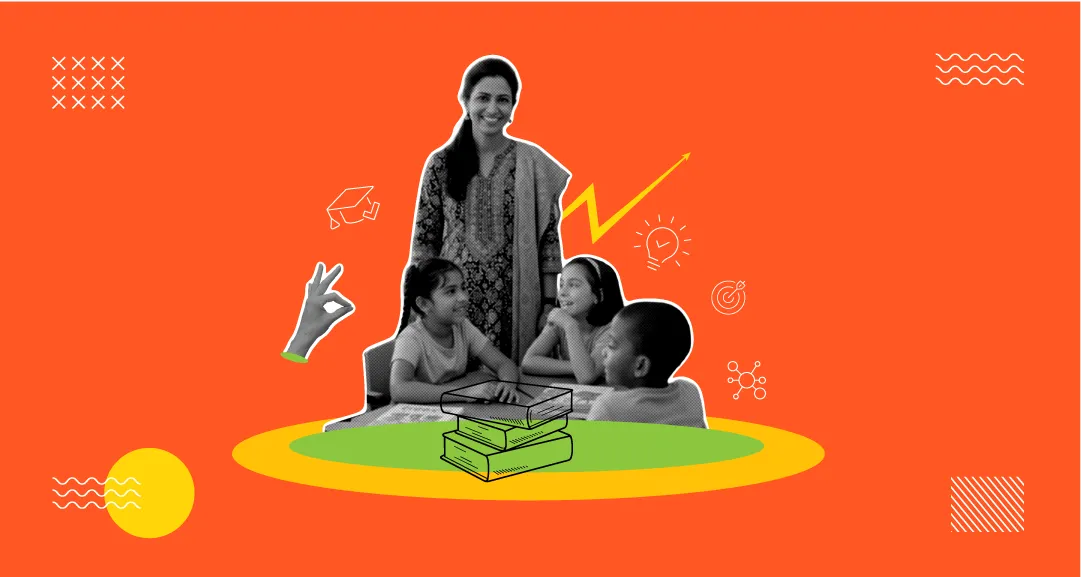
Education today is evolving at an unprecedented pace. From AI-enabled learning tools to new assessment models and the expectations set by NEP 2020, schools are navigating a rapidly changing landscape. In this environment, teachers must constantly adapt, refine their skills, and stay aligned with modern pedagogical practices.
In today's educational landscape, we recognize that learning goes far beyond textbooks and examinations. While academic subjects provide children with knowledge and skills, value education shapes who they become as human beings.
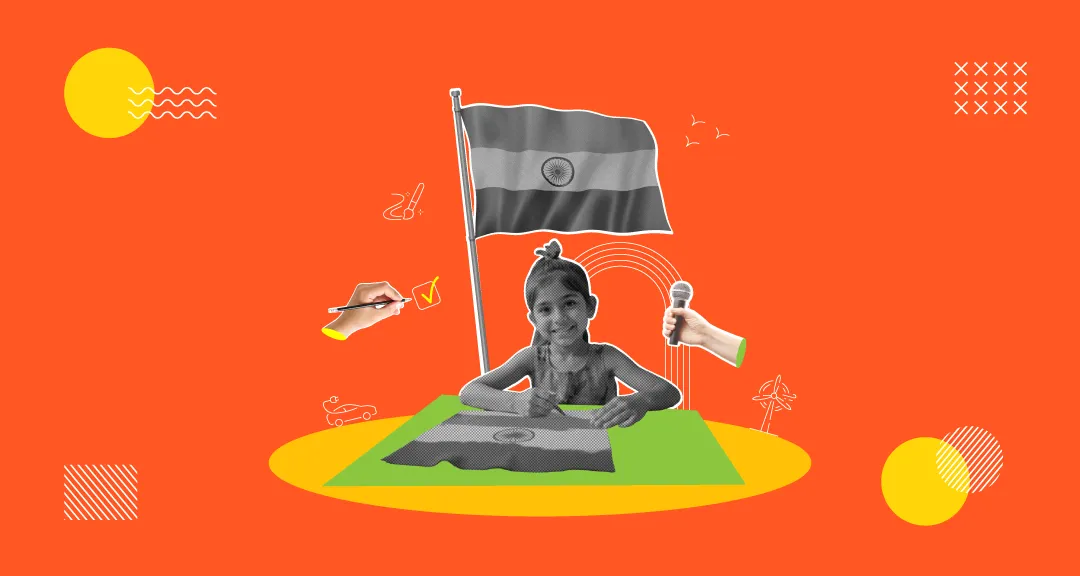
National anthems echoing through corridors, patriotic songs filling every corner, tricolour-themed decorations adorning walls, and students marching in proud parades—this is how August 15th transforms an ordinary school into a living monument of freedom.
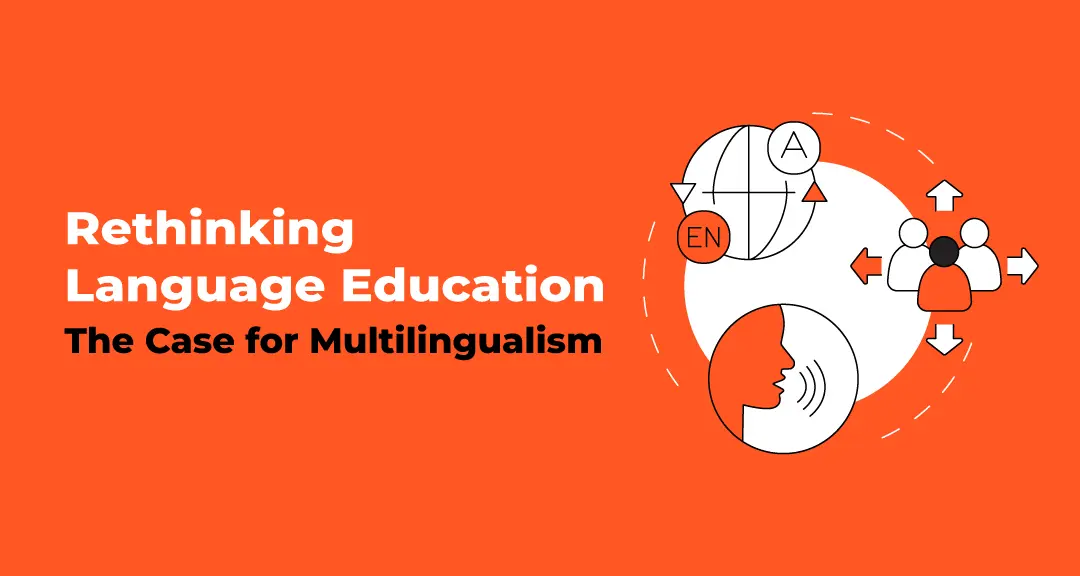
Imagine a child confidently switching between multiple languages—chatting with his friends in his mother tongue, answering a teacher’s question in Hindi, and seamlessly reading a story in English. That’s the beauty of multilingualism.
"Eyes up here! Stay focused! Can I have your attention, please?" Sound familiar? Every teacher has had that moment in the classroom when she tries every trick possible to get young minds to settle down and concentrate. Students' brains are generally preoccupied with many active thoughts and distractions when they walk inside the classroom.
The dynamics of education in India are evolving at an exhilarating pace. In an era where the future is shaped by breakthroughs like Generative AI, Robotics, Biotechnology, and Quantum Computing, the opportunity to equip young minds with essential skills like critical thinking, problem-solving, and creativity has never been more thrilling.
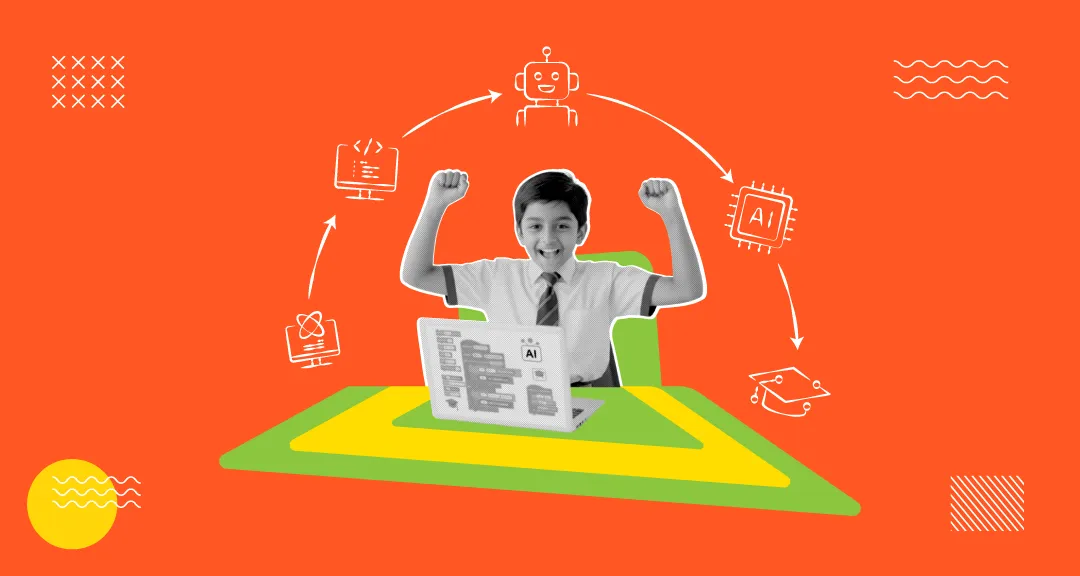
Why teach coding to kids? They are too young for that—such questions often pop up. Coding is a universal language, like English, that opens a Pandora's box of growth opportunities in today’s technology-driven world. Encouraging kids to learn coding early can be a good head start on their cognitive development, technical proficiency, and problem-solving capabilities.
Imagine driving a road trip without using GPS or assembling furniture without a manual—you would be lost or frustrated. That is what it feels like to be out of touch with the current trends in today's educational world. In this world of rapid technological evolution, keeping pace with innovation is no longer a luxury but a necessity. Staying updated empowers schools to unlock new possibilities, enhance student engagement, and prepare learners for a future far from static.
India's education landscape is one of the most diverse and extensive education systems in the world, and it serves over 250 million students that differ from each other on the grounds of socioeconomic, linguistic and cultural backgrounds. With such diverse needs, students inside the classroom often struggle with several challenges that persist because: