Education in 2026: What Classrooms Truly Need (Beyond Smart Boards)
- School Leaders, Teaching
- January 22, 2026
- Saloni Sacheti

International Education Day Special | VOLT Learning
Every year, International Education Day reminds us of something simple but powerful. Education has the ability to change lives. It opens doors, builds confidence, creates opportunities, and gives children the skills to shape their future.
But as we step into 2026, the conversation around “modern education” often gets stuck on one thing. TECHNOLOGY.
Smart boards. Tablets. Apps. Digital classrooms.
These tools are useful, no doubt. But here is the honest truth. A classroom can have a smart board and still teach the same old way. The same notes, the same memorisation, the same pressure to finish the syllabus. A smart board can make a lesson look better, but it cannot automatically make learning better.
On International Education Day, it feels important to ask a deeper question.
What Do Classrooms Truly Need In 2026, Beyond Smart Boards?
Technology is a tool, not the transformation
There is nothing wrong with using digital resources in school. In fact, when used well, they can make learning easier, faster, and more engaging. But technology alone cannot fix learning gaps. It cannot improve reading levels. It cannot build confidence in a child who feels left behind.
The real transformation happens when we focus on learning itself. How students understand. How they practise. How they apply. How teachers support different learners. How schools create an environment where every child can grow.
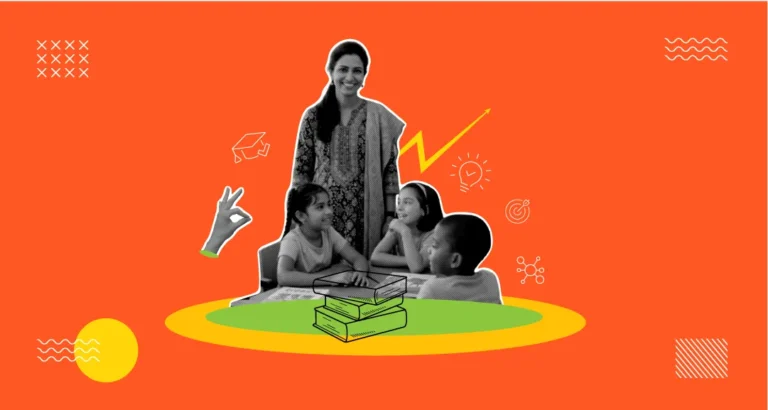
A future-ready classroom is not defined by screens. It is defined by what students can do with what they learn.
1) Skills that prepare students for life, not just exams
In 2026, children are growing up in a world that changes quickly. Information is everywhere. What matters now is not how much they remember. What matters is how they think.
A strong classroom today builds life-ready skills along with academic learning. Skills like:
- Communication that helps students express their ideas clearly
- Critical thinking that helps them question and reason
- Collaboration that teaches teamwork and respect
- Creativity that encourages original ideas
- Problem-solving that connects learning with real situations
- Digital literacy that helps students use technology wisely
These skills are not “extra”. They are essential.
The good news is they do not require extra periods or fancy setups. They can be included in everyday teaching.
For example, instead of only asking students to write the correct answer, a teacher can ask, “How did you get this answer?” or “Can you solve it in another way?” A small shift like this makes a big difference.
This is exactly the kind of learning VOLT books are designed to support. The in-text and after-text activities are created to go beyond rote answers and help students practise communication, reasoning, creativity, and problem-solving in a natural way. For teachers, this means the tools to build these essential life skills are already built into the lesson flow, making it easier to develop real skills in students along with completing the curriculum.
Which skill should schools focus on the most for future-ready students?
2) Mindsets that make learning stronger
A classroom may have great resources, but learning becomes stronger when students develop the right mindset. In 2026, one of the biggest needs in education is to help children become confident learners.
This starts with building mindsets like:
- Curiosity: Children learn best when they feel safe to ask questions.
- Growth mindset: The belief that “I can improve with practice” is more powerful than any shortcut.
Here is a beautiful Growth Mindset poster for your classroom.
- Resilience: Students should learn that mistakes are part of learning, not something to feel ashamed about.
- Ownership: Learning becomes deeper when students stop learning only for marks and start learning for themselves.
One simple way to encourage these mindsets is reflection. It can be as small as a two minute check at the end of class.
- What did I learn today?
- What was difficult?
- What will I try next time?
When students reflect regularly, they start recognising progress. And progress builds motivation.
3) Equity in learning, because every child matters
International Education Day is also about access and inclusion. Education should not be limited by background, language, confidence, or resources. But in real classrooms, teachers know how uneven learning can be.
Two children may sit in the same classroom, listen to the same lesson, and still take away very different learning outcomes. One may understand quickly. Another may need more time, more practice, or a different explanation.
That is why equity matters.
Equity does not mean treating every child the same. It means supporting every child in the way they need.
In 2026, classrooms need teaching methods that recognise different learning levels and help every learner move forward. This can include:
- Giving students options between easy, standard, and challenge questions
- Using peer learning so children learn from each other
- Including visuals, oral practice, and hands-on activities along with reading and writing
- Doing quick check-ins to identify who needs support early
Small steps can prevent small gaps from becoming big gaps.
When learning is equitable, confidence grows. When confidence grows, participation improves. And when participation improves, learning becomes real.
4) Teacher support is the real classroom upgrade
If there is one thing classrooms truly need in 2026, it is better teacher support.
Teachers are expected to do everything. Teach, plan, assess, manage behaviour, support emotional wellbeing, handle parent expectations, meet school targets, and still stay updated with changing education methods.
It is not easy.
When teachers are supported, students benefit immediately. When teachers are overwhelmed, even the best technology cannot help.
Teachers need:
- Easy-to-use teaching resources that save time
- Training that feels relevant and classroom-friendly
- Support for assessment and feedback
- Help with differentiated learning for mixed-ability classrooms
- Tools that make lesson delivery smoother, not harder
This is where VOLT Learning comes in. Our teaching resources include extensive digital support that makes concepts easier to understand and learning more enjoyable for students, creating a better classroom experience overall. Along with the digital resources on the VOLT platform, we also provide teacher manuals that include detailed lesson plans, answer keys, and worksheets. This reduces prep time before class and helps teachers focus on what matters most: teaching and connecting with students.
The assessment modules on the VOLT platform also help teachers understand the progress of each student and plan lessons accordingly. At VOLT, we strongly believe in empowered teachers. That is why we also provide continuous training support, both online and offline, led by trained professionals to ensure quality and meaningful impact in classrooms. The best classrooms are built when teachers feel empowered, not pressured.
In 2026, we do not need “perfect teachers”. We need supported teachers.
What A 2026 Classroom Should Feel Like
So what does a truly future-ready classroom look like in 2026?
It looks active.
Students are not just listening. They are speaking, writing, creating, asking questions, and thinking.
Teachers are not rushing through topics. They are guiding learning, checking understanding, and supporting different learners.
Technology is present, but not dominating. It is used with purpose.
Most importantly, the classroom feels safe. Safe to make mistakes. Safe to ask doubts. Safe to learn.
Because when a child feels safe, learning becomes possible.
Small Changes Schools Can Start Now
The best part is you do not have to wait for a big budget or a full system overhaul. A future-ready classroom is built step by step.
Here are a few practical starting points schools can take this year:
- Replace one worksheet a week with an activity-based task
- Add “why” and “how” questions along with “what” questions
- Create simple levels of questions for mixed learning needs
- Use short exit tickets to check understanding daily
- Encourage peer learning through pair and group work
- Use digital learning for practice and revision, not just for teaching
- Track progress through small assessments rather than only big tests
These small shifts create big impact over time.
What creates the biggest positive impact on student learning?
A Final Thought For International Education Day
International Education Day is not only a celebration. It is also a reminder. The future of education is not about showing the most advanced tools. It is about creating meaningful learning experiences for every child.
In 2026, classrooms need more than smart boards.
- They need skills that prepare students for life.
- They need mindsets that build confidence.
- They need equity so no child is left behind.
- They need teacher support that is real and consistent.
The strongest classrooms will not be the most digital. They will be the most learner-ready.
Want to bring blended learning to your school in a practical way?
Comment down below to access details and learning support resources through VOLT.
Frequently Asked Questions:
1. What is future-ready education in 2026?
Future-ready education focuses on skills like critical thinking, communication, creativity, and problem-solving. It prepares students for real-life challenges, not just exams. Technology supports learning, but the focus remains on understanding and application. The goal is confident, independent learners.
2. What skills do students need to succeed in the future?
Students need life skills like critical thinking, collaboration, communication, creativity, and digital literacy. These skills help them adapt to a fast-changing world. Academic knowledge matters, but how students use it matters more. Schools must integrate skills into daily lessons.
3. How can teachers build 21st-century skills in the classroom?
Teachers can ask “why” and “how” questions, encourage discussions, and use real-world problems. Group work, reflections, and activity-based tasks build skills naturally. These strategies don’t need extra periods or expensive tools. Small changes make a big impact.
4. How can schools support different learning levels in one classroom?
Schools can use differentiated learning strategies like level-based questions and peer learning. Visuals, hands-on activities, and oral practice help diverse learners. Regular check-ins identify gaps early. Equity ensures every child gets the support they need.
5. How does digital learning help students in 2026?
Digital learning works best for practice, revision, and personalised learning. It allows students to learn at their own pace. When used purposefully, it improves understanding and engagement. Technology should support learning, not replace teachers.
Share On:
Written By: