
The answer is simple — give children books they genuinely cannot put down.
The right book can:
- spark imagination,
- improve vocabulary,
- reduce screen time,
- strengthen focus,
- and help children fall in love with reading forever.
And no — summer reading should not feel like homework. It should feel like an adventure.
That’s why we’ve curated this age-wise summer reading list featuring a mix of Indian and international authors, as well as books with diverse themes, cultures, and genres. Whether your child seeks stories that reflect their own world or open up entirely new perspectives, there is something exciting for every reader to explore this holiday season.
Why Summer Reading Matters for Kids
Many teachers notice that children forget concepts and lose reading habits during long vacations.
Regular reading during summer helps children:
- maintain language skills,
- improve concentration,
- boost creativity,
- strengthen comprehension,
- and build emotional intelligence.
Most importantly, books teach children to sit with imagination rather than with constant stimulation. Even 20 minutes of reading daily can make a huge difference.
Best Summer Books for Ages 3–5
Picture Books & Early Readers
At this age, children enjoy colourful illustrations, repetition, rhythm, and interactive storytelling.
1. Brown Bear, Brown Bear, What Do You See?
– Bill Martin Jr.
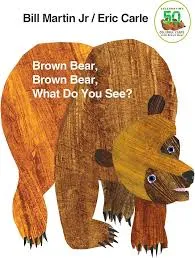
A bear sees a red bird, the bird sees a yellow duck, the duck sees a blue horse — and so it goes, page after page, in a gentle chain of colourful animals. The simple, repeating structure means children begin “reading along” within minutes of the first read-aloud. It’s one of the most effective best story books for kids at this age for building colour recognition, animal vocabulary, and the rhythm of language — all while making reading feel like a game they’re already winning.
2. The Very Hungry Caterpillar
– Eric Carle
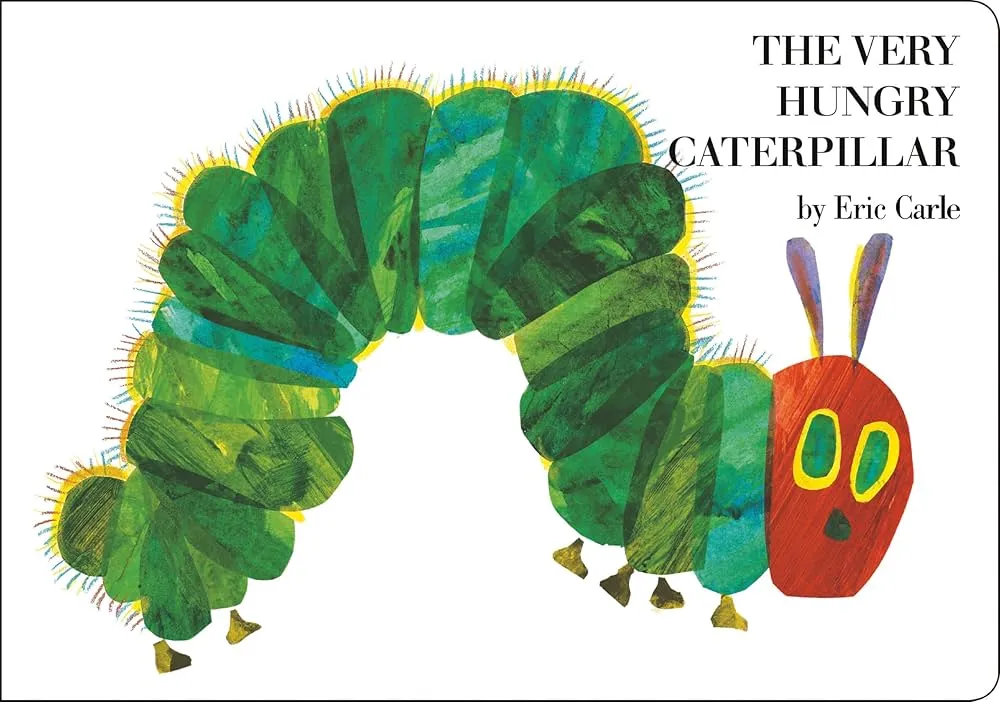
A tiny caterpillar hatches on a Sunday and spends the week eating his way through an increasingly ridiculous amount of food — one apple, two pears, three plums, and eventually a piece of chocolate cake, an ice cream cone, a pickle, and much more — before wrapping himself into a cocoon and emerging as a beautiful butterfly. The die-cut pages that the caterpillar has “eaten through” make it as much a tactile, interactive experience as a story. It’s one of the most beloved children’s books to read this summer for naturally teaching counting, days of the week, food vocabulary, and the concept of metamorphosis.
3. Gajapati Kulapati
– (Indian author) Ashok Rajagopalan
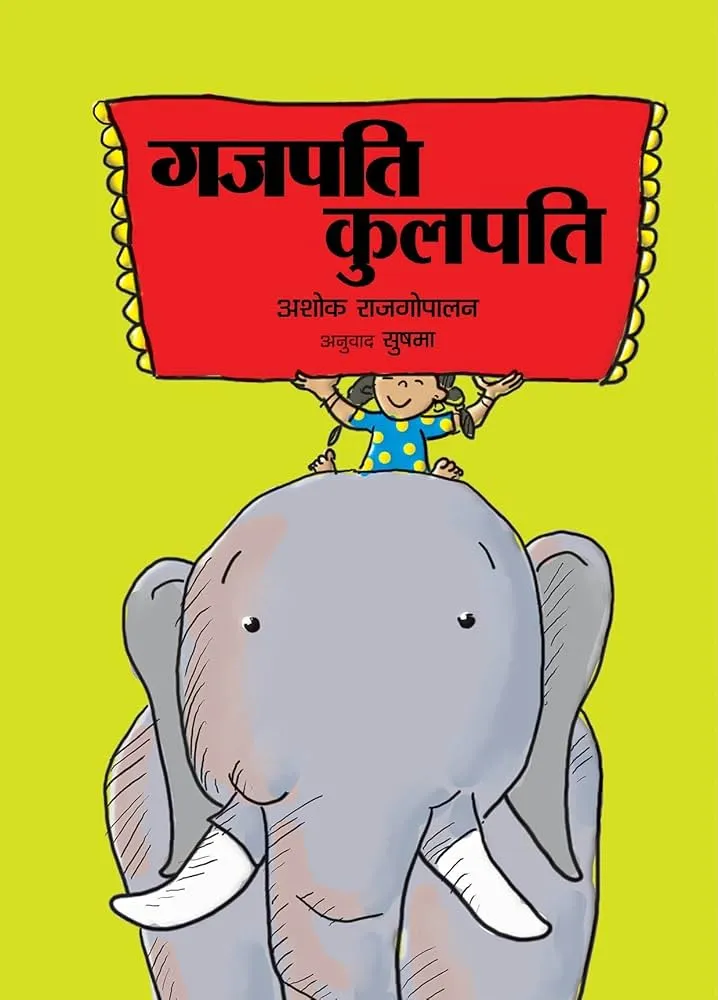
Gajapati Kulapati is a large and loveable elephant who sneezes — and every time he sneezes, something goes flying: the birds from the trees, the fruits from the branches, the people from their houses. The story builds in delightful, repeating escalation until Gajapati finally gets his sneeze under control. Ashok Rajagopalan is one of the most treasured Indian authors for children, and this book is a masterclass in comic timing for young readers. The catchy, rhythmic text was practically made to be read aloud at full volume.
4. Where Is Amma?
– (Indian author) Nandini Nayar
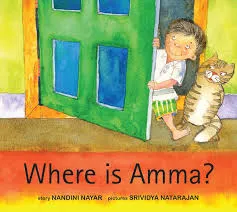
A young child searches the house for Amma — looking in the kitchen, behind the curtains, under the bed — in a sweet, gentle game of hide-and-seek that ends in a warm and reassuring reunion. The story is rooted entirely in the rhythms of an Indian household: the sounds, the smells, the familiar spaces that Indian children grow up in. For young readers, recognition is comfort — and this book delivers both in abundance. Among the best books for kids in India for the very youngest readers.
5. Peppa Pig: Peppa Goes Swimming
– Neville Astley & Mark Baker
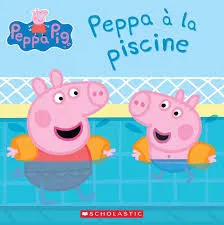
Peppa and her family head to the swimming pool on a sunny day — and Peppa discovers that jumping in the deep end is a lot more fun than she expected. The story is light, funny, and perfectly paced for a beginning reader, with short sentences, familiar vocabulary, and just enough plot to feel satisfying. Summer-themed and cheerful, it’s ideal for building children’s independent reading confidence as they begin to decode words on their own. A natural fit on any summer reading list for children at this age.
More book recommendations for your little ones:
Best Summer Books for Ages 6–8
Fun Stories & Early Chapter Books
This is the age when reading habits truly begin to form. For children who are reluctant readers, try exploring different genres or formats such as graphic novels, comics, or even audiobooks—sometimes it just takes the right kind of story to spark their interest. Encouraging patience, celebrating small successes, and reading together can make books feel inviting rather than overwhelming.
Children love humour, adventure, mystery, and relatable characters.
1. The Magic Tree House
– Mary Pope Osborne · Series (54+ books)
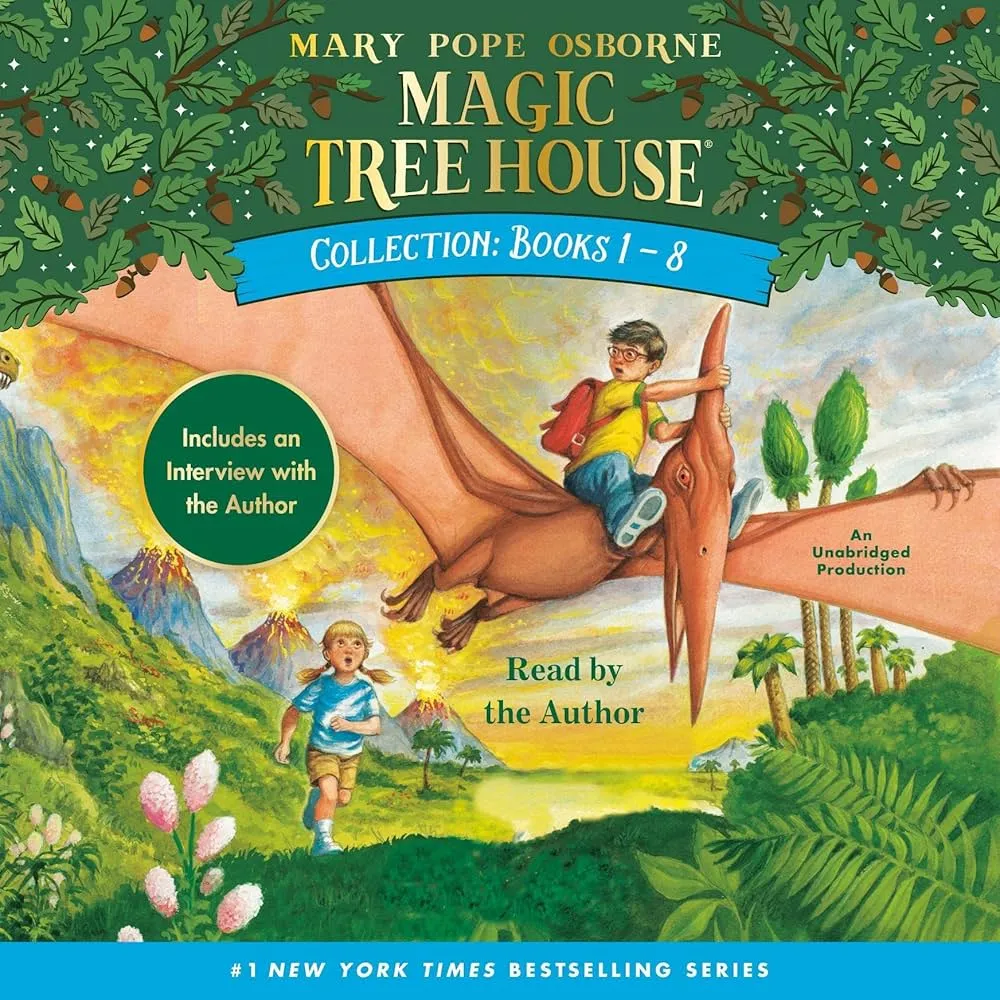
Jack and Annie discover a tree house in the woods filled with books, and every book they open whisks them straight into that world. From ancient Egypt to the age of dinosaurs, samurai Japan to the American Civil War, each story blends real history with fast-paced adventure. The chapters are short, the pacing is relentless, and the facts are genuinely fascinating. It’s one of the best fiction books for children that also quietly educates — children finish each book knowing real history, without ever feeling like they studied.
2. Amma, Take Me to the Hill Forts of Rajasthan
– (Indian author) Bhawna Somaaya
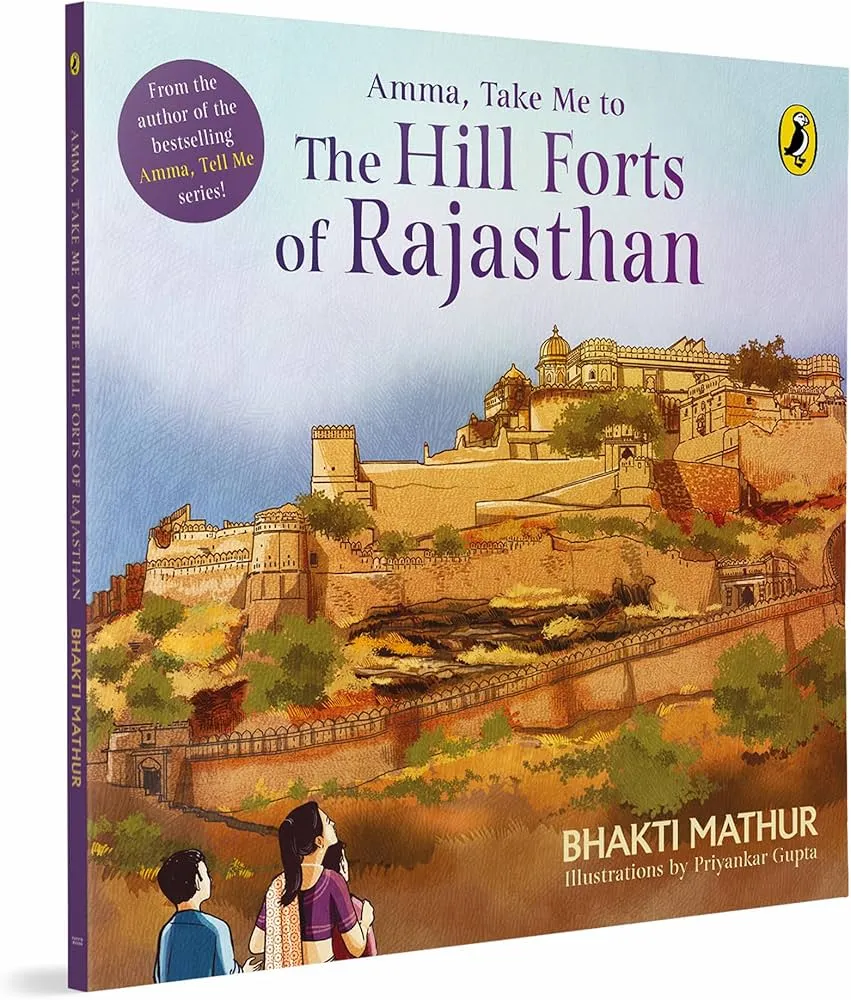
A child and their mother journey through the magnificent hill forts of Rajasthan — Amber, Mehrangarh, Chittorgarh, and more — uncovering stories of kings, queens, battles, and bravery along the way. The book reads like a travel companion, not a textbook. History comes alive through conversation and curiosity rather than dates and facts. One of the best books for kids in India for children who are curious about their own country’s past, it belongs on every summer vacation reading list for this age group.
3. Diary of a Wimpy Kid
– Jeff Kinney · Series (17+ books)
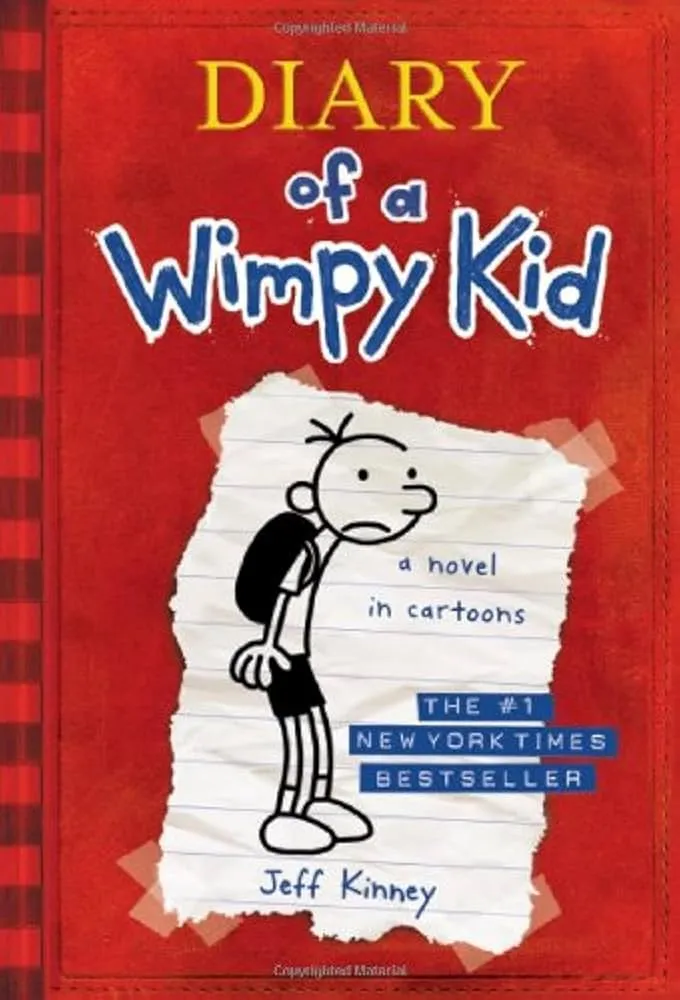
Greg Heffley navigates middle school armed with a diary, an overactive imagination, and absolutely no good judgement. His attempts to become popular go hilariously, predictably wrong — in ways every child instantly recognises from their own life. The mix of diary entries and illustrated panels makes it feel effortless to read, which is exactly why it’s one of the most powerful educational books for kids for turning reluctant readers into enthusiastic ones. A cornerstone of any summer reading list for children, this book is reported by parents to be finished in a single sitting.
4. Moin and the Monster
– (Indian author) Anushka Ravishankar
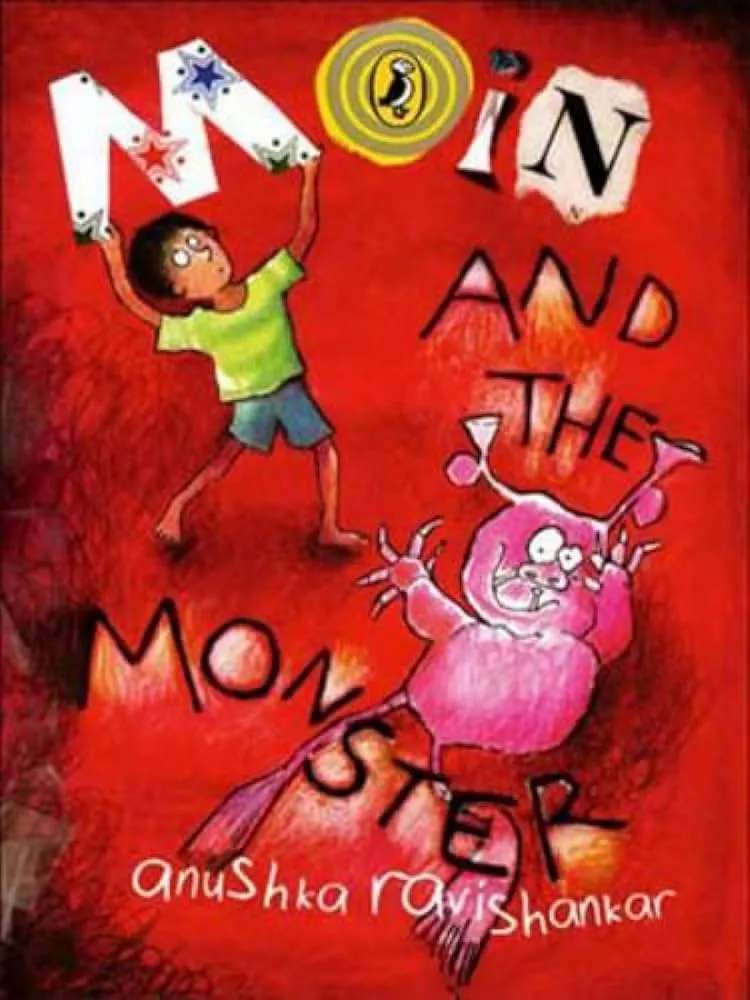
Moin is absolutely certain there’s a monster in his house — and he’s not entirely wrong. What follows is a wildly imaginative, laugh-out-loud story about fear, friendship, and the strange power of a child’s mind. Anushka Ravishankar is one of the most celebrated Indian authors for children, and this book showcases exactly why. The story is rooted in an Indian household setting that children immediately recognise, making it both comforting and delightfully absurd, a rare combination that makes it one of the best children’s books to read this summer.
5. Charlie and the Chocolate Factory
– Roald Dahl
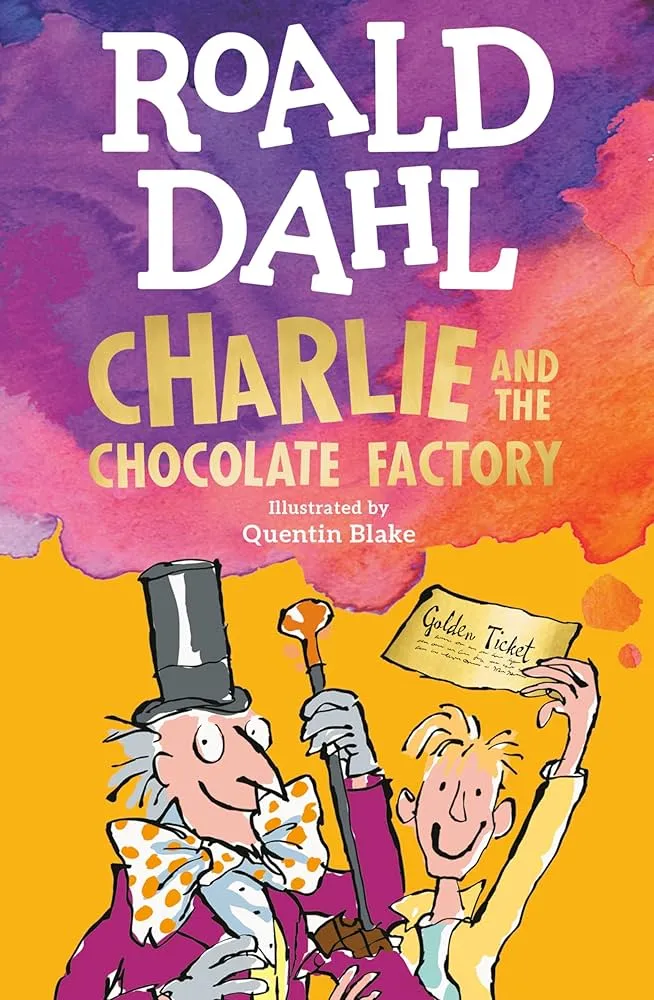
Charlie Bucket, the most ordinary boy in the world, wins a golden ticket to tour the most extraordinary place imaginable — Willy Wonka’s chocolate factory. What he finds inside is part wonder, part warning, and entirely unforgettable: rooms made of edible everything, a chocolate river, geese that lay golden eggs, and children who make spectacularly bad decisions one by one. Roald Dahl’s genius lies in writing stories that feel slightly too wild to be real, but just real enough to believe. A summer classic that parents who grew up reading it still love revisiting, one of the most enduring best storybooks for kids ever written.
Best Summer Books for Ages 9–12
Adventure, Mystery & Imagination
At this age, children begin exploring deeper stories and stronger emotional themes.
1. Harry Potter and the Philosopher’s Stone
– J.K. Rowling · Series (7 books)
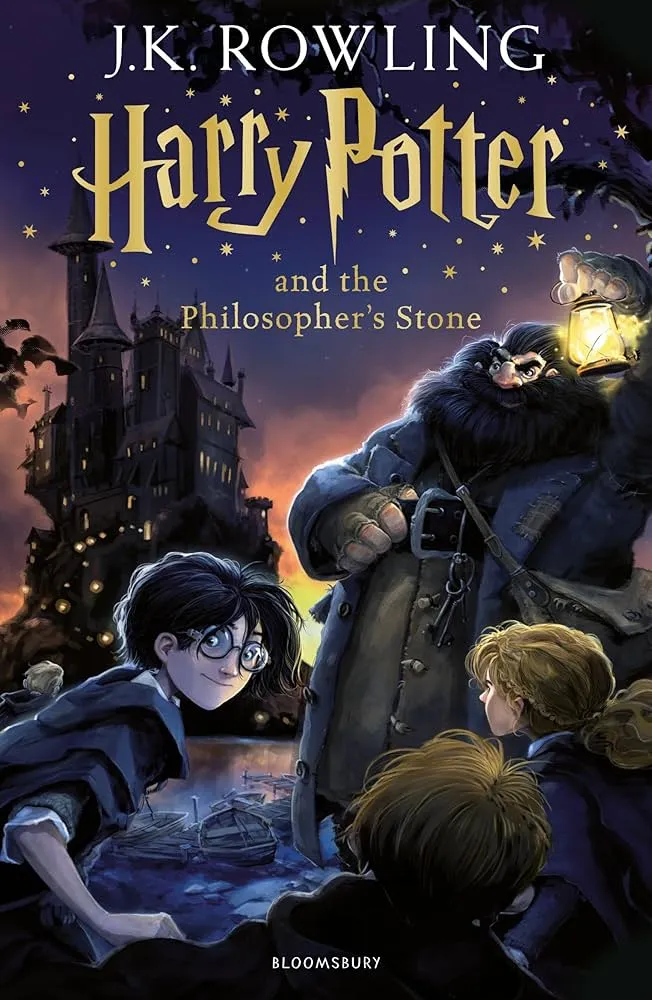
Harry Potter has spent his whole life sleeping in a cupboard under the stairs, unwanted and overlooked — until a letter arrives, and then another, and then hundreds more, and everything changes. He discovers he is a wizard, that he has a place in a world he never knew existed, and that the truth about his past is stranger and more dangerous than he could have imagined. Rowling builds Hogwarts with such completeness — every class, every corridor, every tradition — that it becomes more real than reality for young readers. Still one of the greatest gateway books into lifelong reading and a permanent fixture on every summer reading list for children.
2. Blue Umbrella
– (Indian author) Ruskin Bond
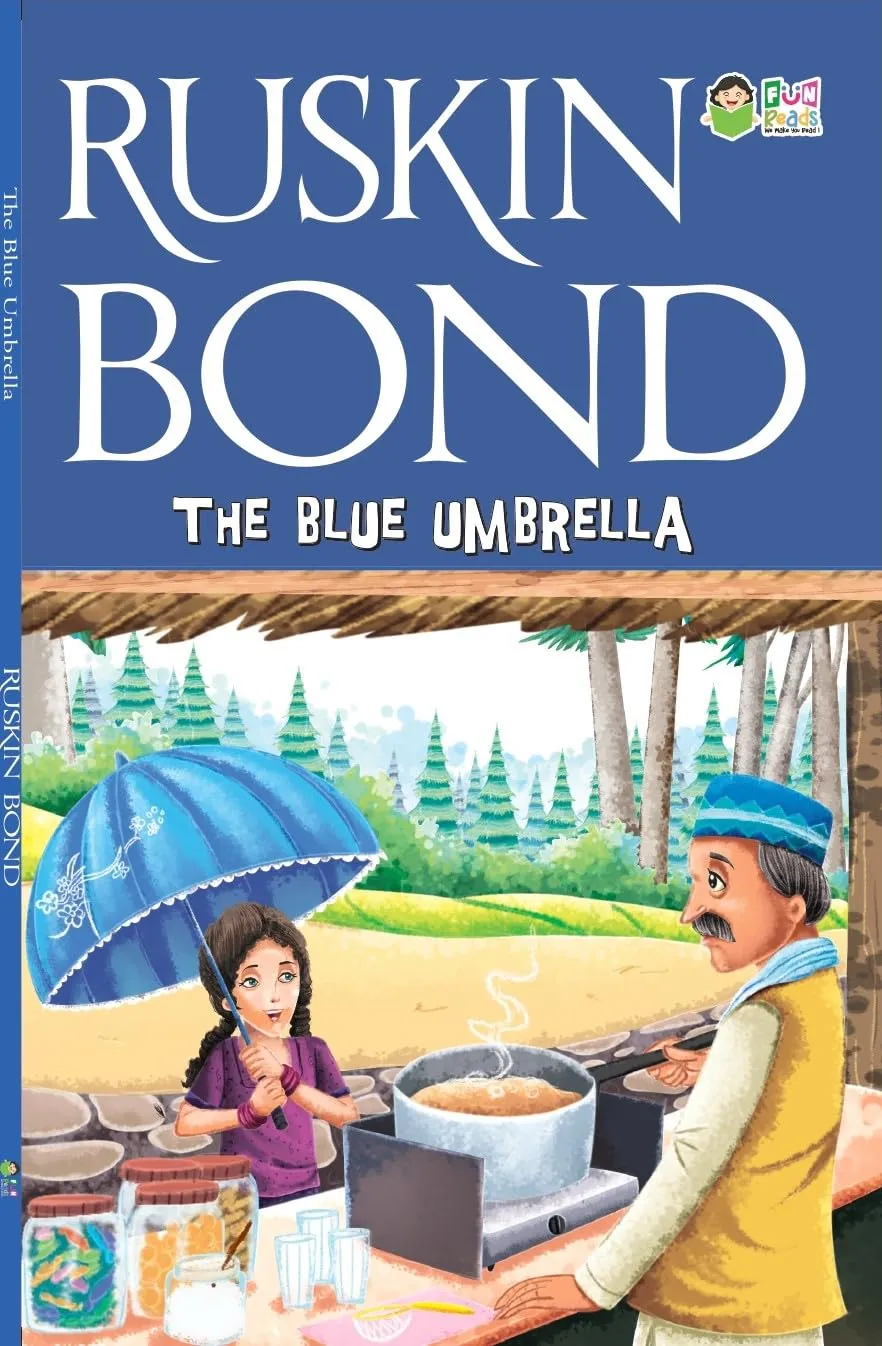
In a small Himalayan village, a young girl named Binya trades her most precious possession — a bear-claw necklace — for a beautiful blue umbrella she spots in a passing group of tourists. The umbrella becomes the talk of the village, the envy of a local shopkeeper, and eventually the centre of a quiet moral reckoning. Bond tells the story with the unhurried tenderness that makes him one of the most beloved Indian authors for children. The Himalayan setting is rendered with such warmth and detail that readers feel the cool mountain air on every page.
3. Percy Jackson and the Lightning Thief
– Rick Riordan · Series (5 books)
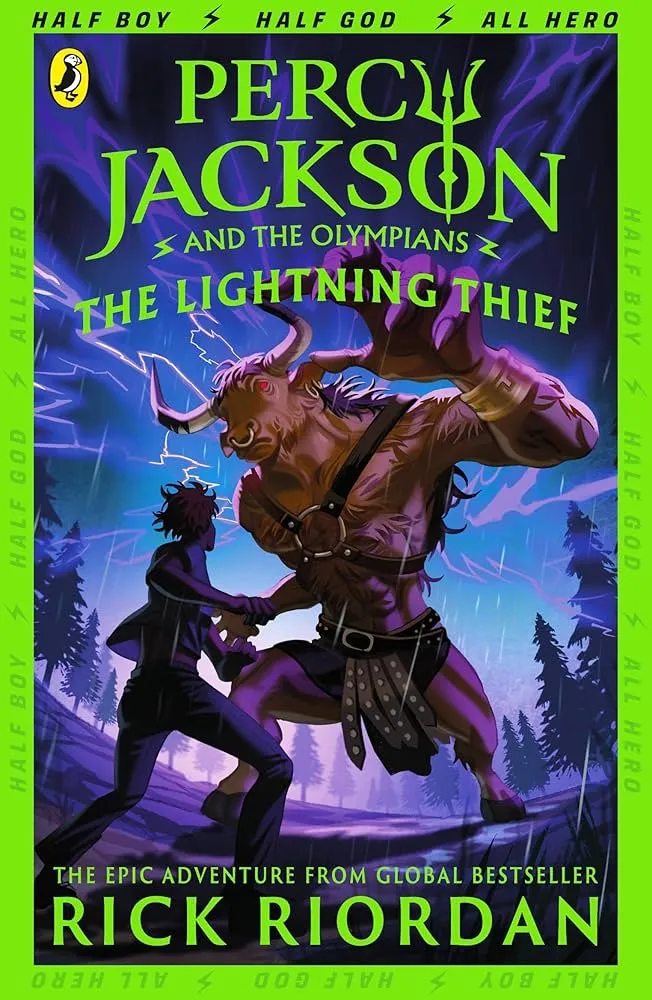
Percy Jackson has always known he was different — he gets expelled from school after school, can’t sit still, and struggles to read. Then he finds out why: he’s the son of a Greek god, and someone has stolen Zeus’s master lightning bolt and framed him for it. What follows is a breathless cross-country quest through modern America, where ancient monsters and Olympian gods hide in plain sight. Riordan smuggles an entire education in Greek mythology into what feels like a pure action-adventure ride — making it one of the most brilliantly effective educational books for kids that never feels educational for a single moment.
4. Grandma’s Bag of Stories
– (Indian author) Sudha Murty
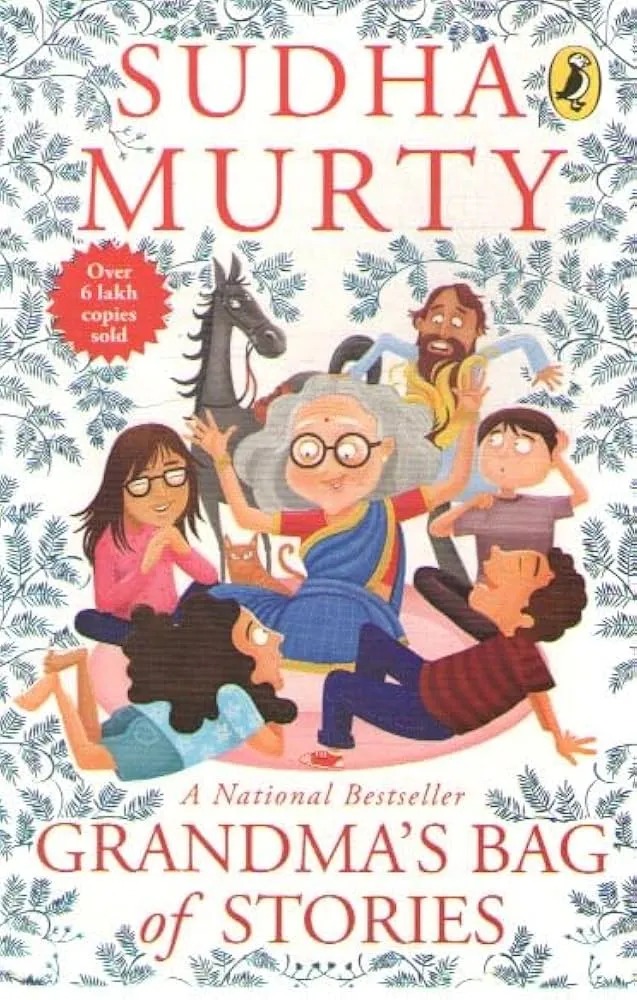
When six grandchildren arrive to spend their summer holidays with their grandmother, she keeps them entertained the old-fashioned way — with stories. Each evening she reaches into her “bag of stories” and pulls out a tale: of kings and clever ministers, greedy merchants, foolish princes, and wise animals. Sudha Murty draws from the rich oral tradition of Indian storytelling, weaving in values and wisdom so naturally that children absorb them without noticing. She is undoubtedly one of the finest Indian authors for children writing today, and this book captures exactly the magic of a summer spent listening to a grandmother’s stories.
5. Wonder
– R.J. Palacio
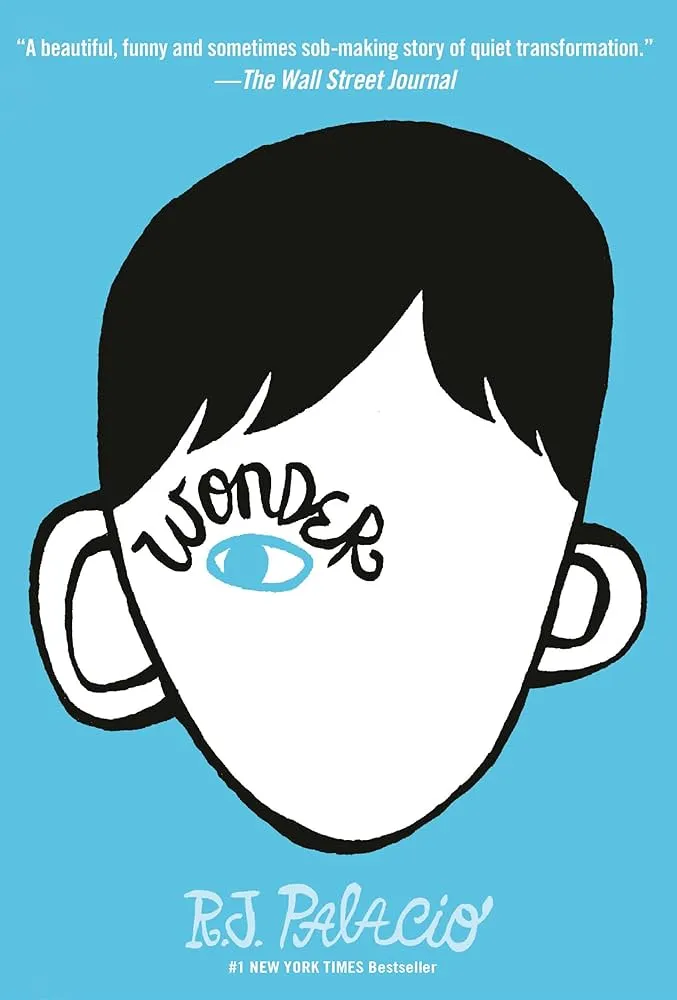
August Pullman was born with a facial difference that has made him stand out his entire life. Now, aged ten, he’s starting school for the first time — and navigating the brutally honest social world of fifth grade, where kindness and cruelty often come from the most unexpected places. Palacio tells the story from multiple perspectives, including August’s sister, his classmates, and even his dog, building a picture of how one person’s presence changes everyone around them. One of the most emotionally important children’s books to read this summer — it teaches empathy not by explaining it, but by making readers feel it directly.
Best Summer Books for Ages 13–16
Thoughtful Reads for Teenagers
Teen readers need books that feel emotionally real, exciting, and relatable.
1. The Hunger Games
– Suzanne Collins · Series (3 books)
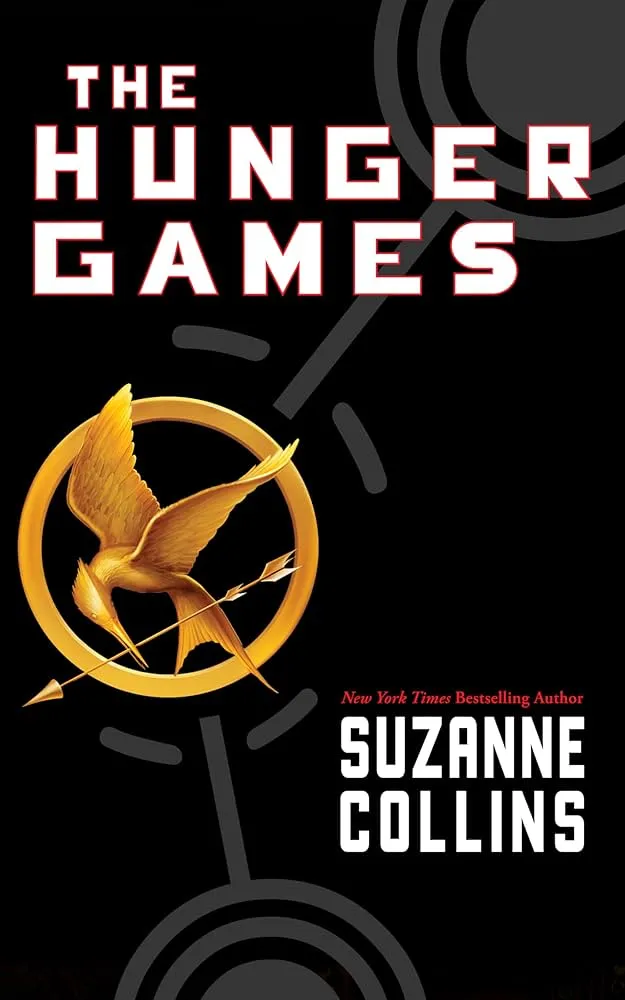
In a dystopian future, the nation of Panem forces each of its twelve districts to send two teenagers — a boy and a girl — into an annual televised fight to the death called the Hunger Games. When sixteen-year-old Katniss Everdeen volunteers to take her younger sister’s place, she steps into an arena where survival requires her to be ruthless, strategic, and human all at once. Collins writes with propulsive, almost cinematic momentum — chapters end on cliffhangers that make it physically difficult to put the book down. Gripping and fast-paced, it is one of the defining books for teenagers of the past two decades, blending action with sharp commentary on power, media, and survival.
2. Malgudi Days
– (Indian author) R.K. Narayan
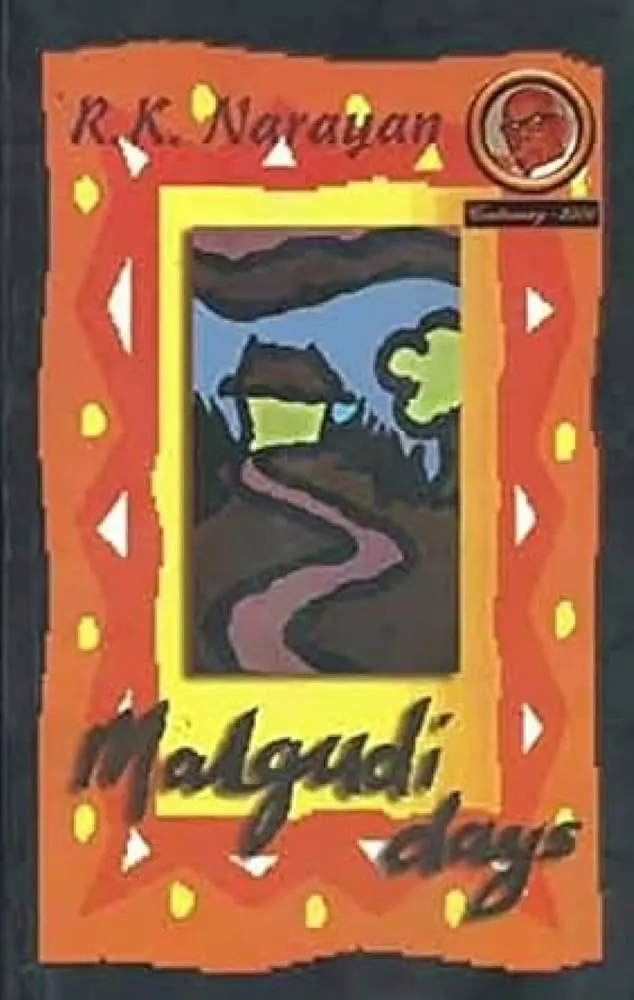
Malgudi is a fictional South Indian town — but it feels more real than most actual places. In these interconnected short stories, R. K. Narayan follows its residents: a stubborn astrologer, a corrupt tax collector, a devoted schoolmaster, and an old woman waiting for her son to return. Each story is quietly devastating or gently funny, sometimes both at once. Narayan writes with an economy of language that makes every sentence count, and his portrait of everyday Indian life is so precise and humane that it stands as one of the greatest achievements in Indian literature. Essential reading for any teenager interested in the best books for kids in India growing up to explore serious literature.
3. The Alchemist
– Paulo Coelho
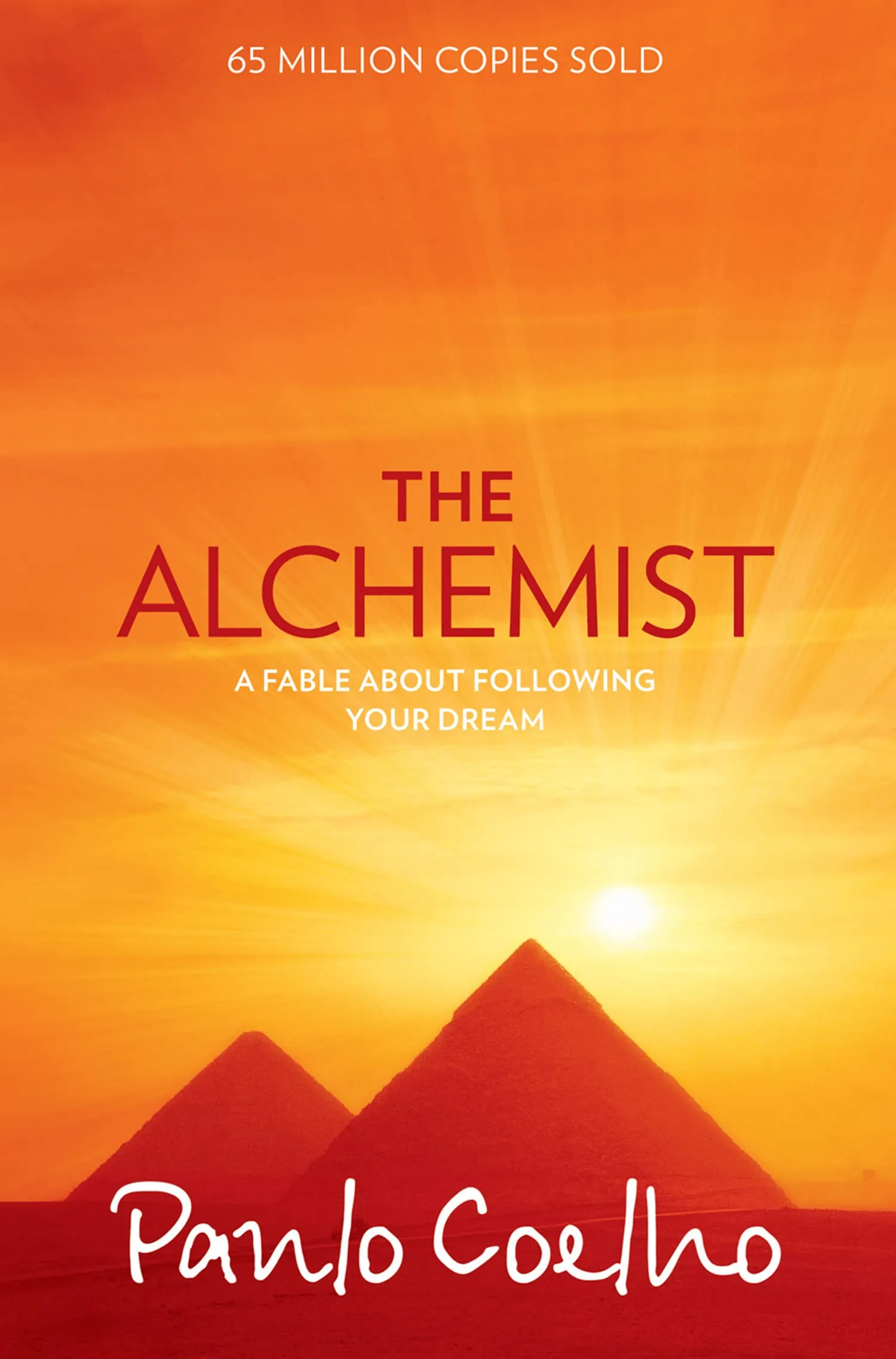
Santiago is a young Andalusian shepherd who has a recurring dream about a treasure buried near the Egyptian pyramids. He sells his flock and sets off across continents to find it — and along the way encounters merchants, alchemists, desert winds, and a woman he falls in love with. Coelho’s novel is less a conventional story than a philosophical fable about listening to your heart, following your calling, and understanding that the journey is inseparable from the destination. It has sold over 65 million copies worldwide and is one of the most beloved books in the world — a natural and ideal addition to any summer vacation reading for students list for older teens.
4. The Room on the Roof
– (Indian author) Ruskin Bond
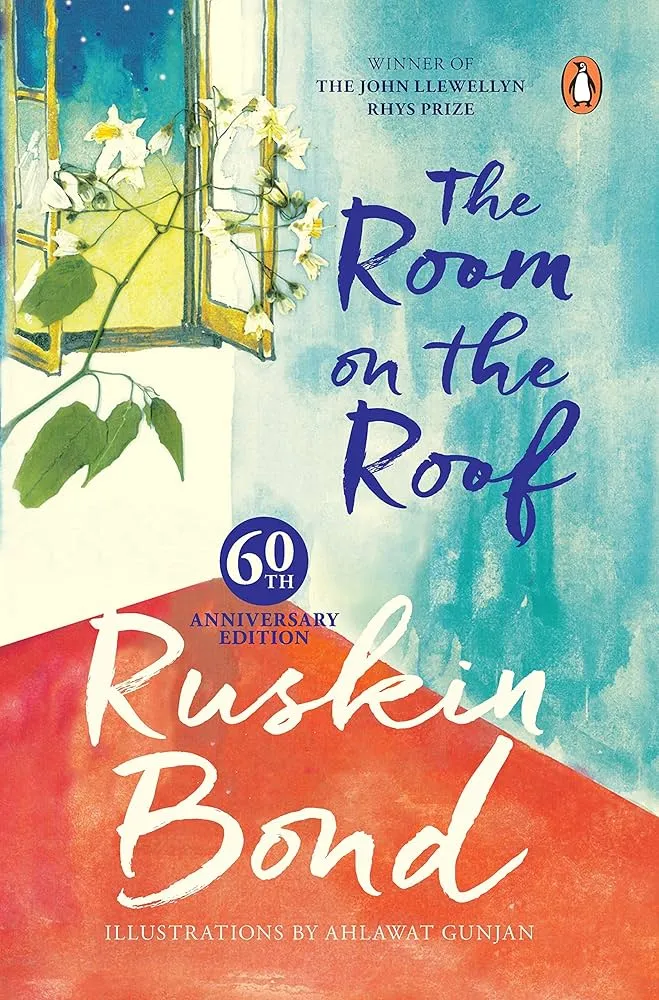
Ruskin Bond wrote this novel at seventeen — and it shows, in the best possible way. Rusty is a sixteen-year-old Anglo-Indian boy living under the strict guardianship of his English guardian in Dehradun. He escapes into the lanes and bazaars of the town, falls in with a group of Indian boys, and discovers a life of laughter, friendship, and belonging that he’d never been allowed to have before. It is a deeply nostalgic, emotionally honest coming-of-age story suffused with the colour, heat, and particular sadness of adolescence. One of the most important books for teenagers, written by an Indian author, and essential summer vacation reading for any teen who loves literary fiction.
5. Atomic Habits
– James Clear
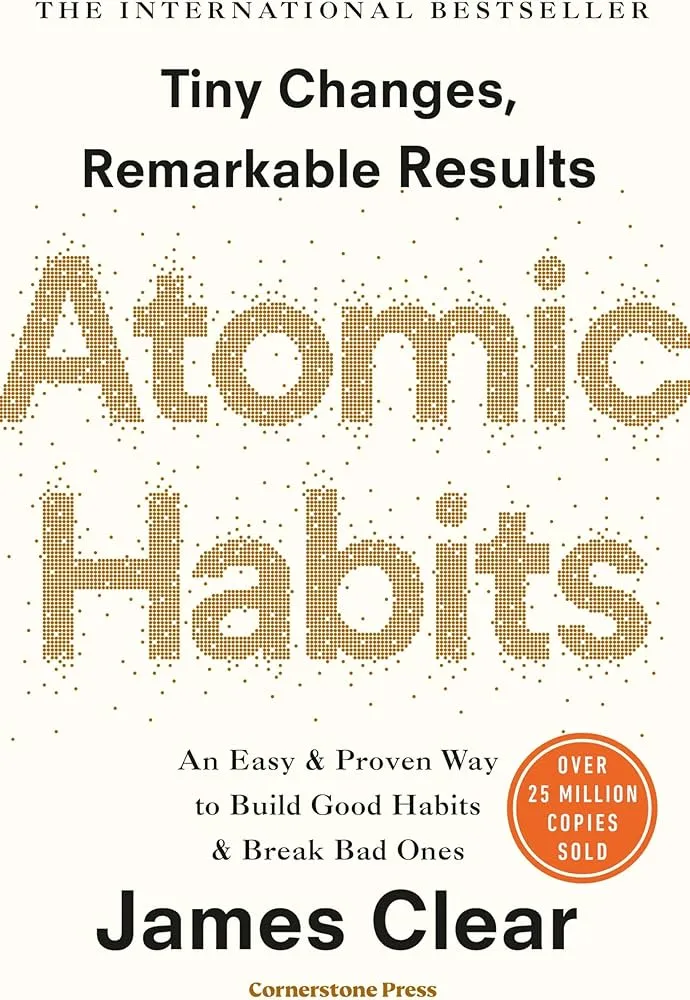
James Clear’s central argument is deceptively simple: you do not rise to the level of your goals, you fall to the level of your systems. The book is built around the science of how habits form, why they stick, and how tiny changes — ones so small they seem insignificant — compound over time into remarkable results. Clear writes with clarity and precision, using research and real-world examples to make every concept immediately applicable. For older teens beginning to think seriously about study habits, fitness, productivity, and personal growth, this is perhaps the single most practically useful book on this entire list — and one of the best educational books for kids transitioning into adult life.
6. The Hunger Games
– Suzanne Collins · Series (3 books)
In a dystopian future, the nation of Panem forces each of its twelve districts to send two teenagers — a boy and a girl — into an annual televised fight to the death called the Hunger Games. When sixteen-year-old Katniss Everdeen volunteers to take her younger sister’s place, she steps into an arena where survival requires her to be ruthless, strategic, and human all at once. Collins writes with propulsive, almost cinematic momentum — chapters end on cliffhangers that make it physically difficult to put the book down. Gripping and fast-paced, it is one of the defining books for teenagers of the past two decades, blending action with sharp commentary on power, media, and survival.


