What Do Toppers Know That You Don’t? 7 Study Secrets Revealed
Same syllabus. Same exam. Same number of hours in the day. But while one aces every test, confident and in control… The other spirals into burnout!
0 Comments
July 5, 2025


Same syllabus. Same exam. Same number of hours in the day. But while one aces every test, confident and in control… The other spirals into burnout!

Books are the easiest way to consume vast amounts of information, presented as stories, ideas, and perspectives that teachers can leverage at any time to transform any classroom moment. Take a moment and think about that one teacher who explained the complex math concept through a fascinating historical example
If you’ve ever struggled to find meaningful, engaging content for your child — content that goes beyond cartoons and trending songs, trust us, you’re not alone. As parents and educators, we want stories that inspire our kids

There’s something magical about the wobbly lines and uneven letters, especially when your little one doodles them. Gripping a pencil or crayon correctly by kids to scribble and make their marks is surprisingly a foundational step toward writing and fine motor skills.
If you’ve ever caught a child mimicking your tone of voice, repeating a phrase you didn’t even know you said often, or copying how you sit or eat—you’ve already witnessed social learning in action.
Imagine a child confidently switching between multiple languages—chatting with his friends in his mother tongue, answering a teacher’s question in Hindi, and seamlessly reading a story in English. That’s the beauty of multilingualism.

"Eyes up here! Stay focused! Can I have your attention, please?" Sound familiar? Every teacher has had that moment in the classroom when she tries every trick possible to get young minds to settle down and concentrate. Students' brains are generally preoccupied with many active thoughts and distractions when they walk inside the classroom.
The foundation of Montessori education is deeply rooted in the belief that childhood is a crucial step in every child's growth journey. During this fundamental life phase, students shape themselves as confident individuals. I
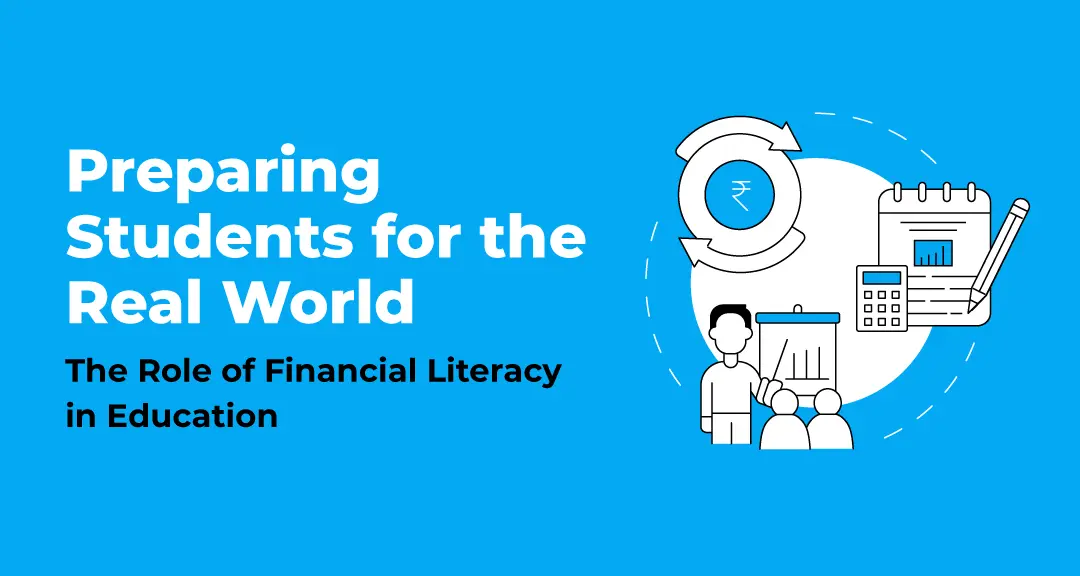
Money doesn't grow on trees. We have all heard this phrase at some point in life and eventually passed it on to our children, but how often do we teach children what it actually means? Financial Literacy is a fundamental life skill that helps children make smart financial decisions early on and build a secure future.
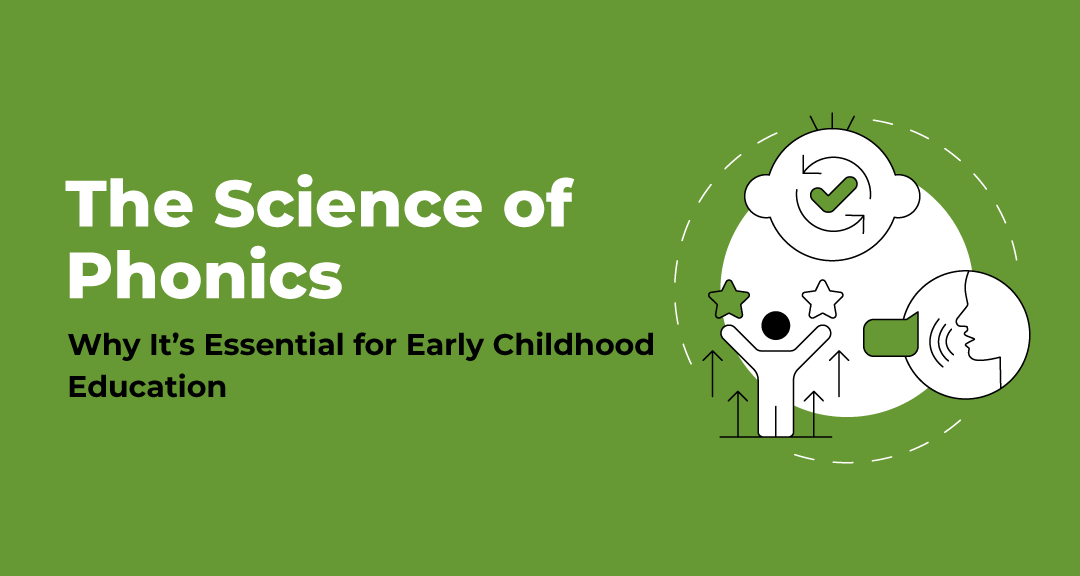
Research shows that children who learn phonics instruction strongly in early education grow into confident readers. Systematic phonics instruction is pivotal in improving young learners' ability to decode words and paves the way to reading success. It is also believed that during Early Childhood Care and Education (ECCE), phonics plays a game-changer in transforming a child's vocal speech into written language by bridging the literacy gap. But what exactly is phonics, and why is it such a game-changer in early literacy skills? Let’s explore.